Our journey

Attendance, 2016 to 2023.

What was built each year, and what got in the way. Nairobi in 2016, then Kenya, Somalia and Zanzibar.

Where it started

Sisitech began in Nairobi in 2016, out of C4DLab at the University of Nairobi. The first brief was a paper register: who is in school, and a count a ministry can still read at the end of term.

2016

The first attendance pilot.

With UNICEF Kenya and C4DLab, the innovation arm of the University of Nairobi. A feasibility study compared optical character recognition and biometrics. The chosen path was an open-source app and a web dashboard.
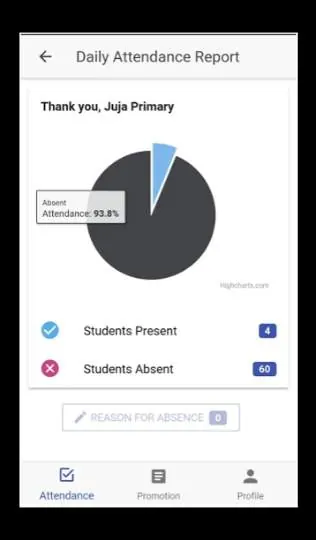
From the 2016 attendance pilot.

What we shipped

  • Digitise the paper tools used for pupils, teachers and schools.
  • Collect attendance at the school, and reports for the school, the county and the national desk.
  • Leave a way to connect with the government EMIS dashboard.
  • Pilot in selected Nairobi schools, and change the product from what teachers said after they used it.
2018

Out of school, across Kenya.

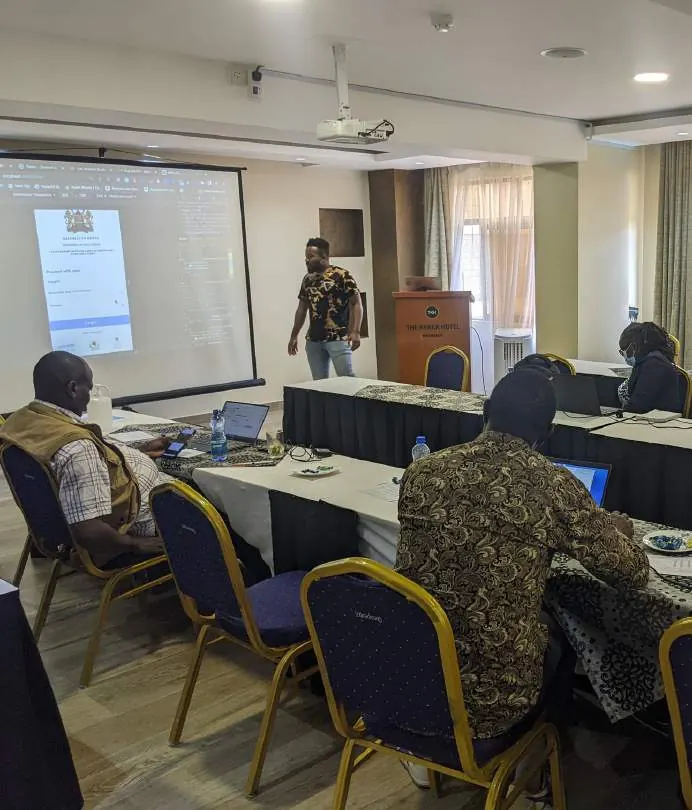
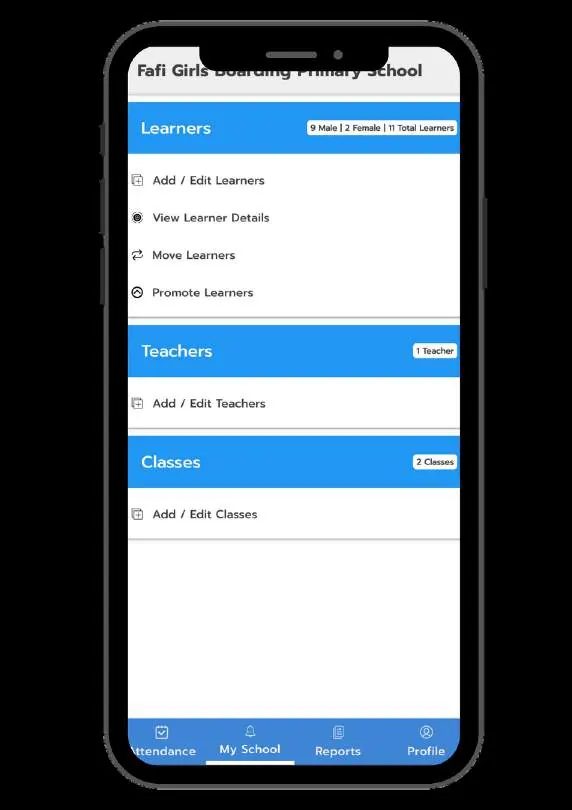
The aim was half a million learners who were out of school. The roll-out ran with 15 UNICEF Kenya partners, across 16 counties, with partners trained to train teachers.

From the 2018 roll-out across Kenya.

What we shipped

  • 577,377 learners enrolled.
  • 244,180 of them were out of school.

What got in the way

  • Excel imports created duplicate children when names matched.
  • There was no unique identifier for a learner, and no baseline that could be checked.
  • Teachers were asked to use their own phones, and many pushed back.
  • University procurement was slow enough that Sisitech was subcontracted by C4DLab.

2019

First time outside Kenya.

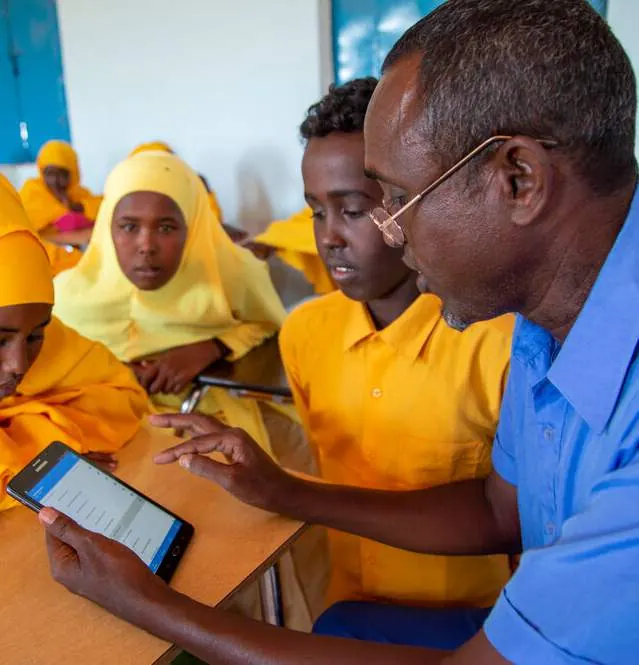
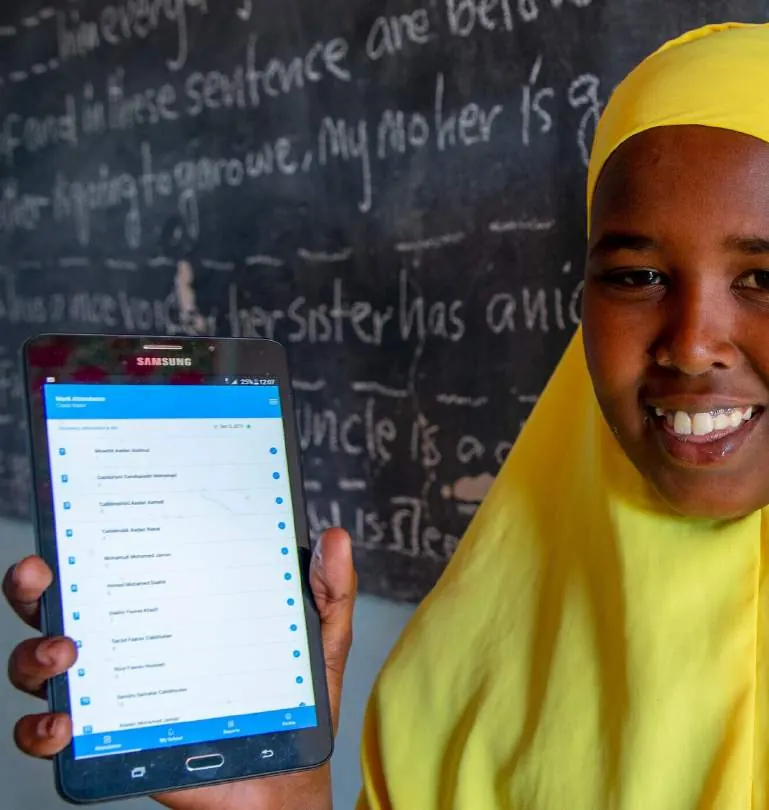
World Vision Somalia took the system through the Response Innovation Lab matchmaker. The pilot was three schools in Puntland, on dedicated tablets rather than personal phones.

From the 2019 pilot outside Kenya.

Watch the pilot (opens in a new tab)

What we shipped

  • A pilot in Puntland, Somaliland, in three schools.

What got in the way

  • Language got in the way, so the app needed a real translation feature.
  • Connecting to the existing EMIS was the only way it could grow.

2020

Schools closed.

Covid shut the classrooms the register depended on. The management team was rebuilt, money for the work was uncertain, and part of the founding team left to start something else.

From 2020, when the schools closed.

What got in the way

  • Schools were closed, so the attendance work had nowhere to run.
  • A smaller team, and no clear next contract.

2021

Puntland, with the ministry.

World Vision and Save the Children carried the app into the Ministry of Education in Puntland. Translation shipped, and the app wrote into the ministry EMIS.

From the 2021 work with the Puntland ministry.

What we shipped

  • 42 schools across Puntland.
  • 12,000 learners enrolled.
  • Translation, and a live link to the ministry EMIS.

What got in the way

  • Reports were stuck inside the EMIS dashboard.
  • Partners on the same programme were also competing.
  • The pilot left little time to take teacher feedback in.
  • Tablets were not used the way the training assumed.

2022

Kenya, through NEMIS.

With UNICEF Kenya and the National Council for Nomadic Education in Kenya, the app connected to the Ministry of Education. An extra dashboard sat beside the EMIS one, for the reports the ministry view did not cover.

From the 2022 link with the Kenya ministry.

What we shipped

  • 16 counties.
  • More than a million learners enrolled through the NEMIS link.

What got in the way

  • Government process was slow, and UNICEF and the ministry wanted different reports.
  • A physical server went down and the record went with it.
  • Staff changes on the UNICEF side, and a lean Sisitech team running the project.

2023

Zanzibar.

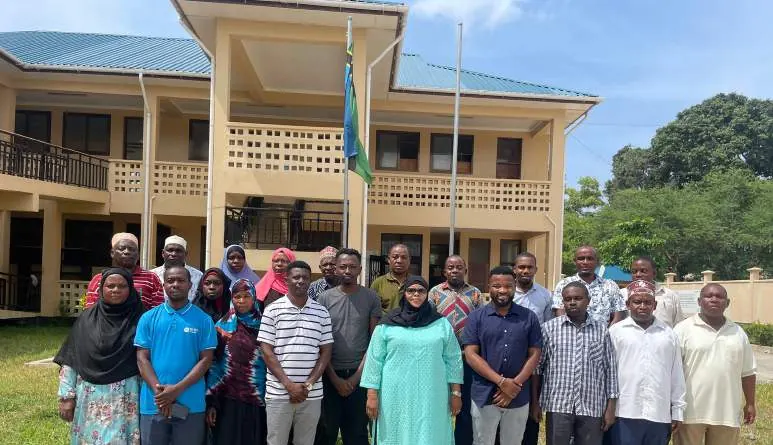
UNICEF Tanzania and the Ministry of Education and Vocational Training. The pilot was co-designed in the inception and in the training, with a partner brought in for the reporting load.

From the 2023 pilot in Zanzibar.

What we shipped

  • 30 schools.
  • 7,000 out-of-school learners in the first month, across 9 districts.
  • Trainers trained with the people who would keep the register.

What got in the way

  • The terms of reference assumed one setup would fit every school.
  • The EMIS on the other side was not finished.

2023

Wider Somaliland, and a Mogadishu field team.

With UNICEF Somalia the app moved toward 350 schools. A cloud backup was set up for the Kenya record. A conversation started about mainland Tanzania in 2024. The Mogadishu work ran remotely, through the Response Innovation Lab.

From the 2023 work in wider Somaliland.

What we shipped

  • Trainers trained across 8 UNICEF partner organisations in Somaliland.
  • A field exercise in selected schools for displaced families in Mogadishu.

What got in the way

  • Security made a hands-on inception visit impossible.

Scaling

What slowed the scale-up.

  • A product living inside a project contract.
  • Procurement and reporting that the team had not been trained for.
  • Capital.
  • A different context in every territory.
  • Each government EMIS is its own integration.
  • Language, and a team that cannot always travel.
  • A unique identifier for learners and schools that works across regions.

Lessons

What worked.

  • Adoption moved when the register lined up with school feeding, and when teachers had a tablet and data.
  • A pilot, then a change, beats a full roll-out on the first drawing.
  • Co-design keeps the school from treating the app as something imposed.
  • Translation, and offline use, are part of the product in places with poor connectivity.
  • A programme tablet behaved differently from a teacher's own phone.
  • Shared in-house libraries let one codebase ship in more than one country. That is the point of Chuo.
  • A dashboard of our own, next to EMIS, so a single learner can still be read.
  • Reports that generate themselves, instead of a week spent assembling them.

Talk about a programme